

From Public Defense to Civil Rights Advocate
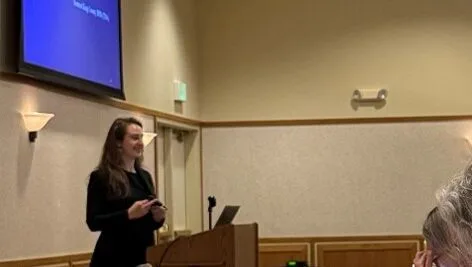
On June 12, 2026, I presented at the Washington Association of Criminal Defense Lawyers Annual Conference on the topic of civil rights in jails and prisons. When I was a public defender, many of my clients had complaints about the conditions of their confinement, including about uses of force, prolonged periods in solitary confinement, and inadequate medical care. I saw how rampant drugs were in the jails where my clients were held and experienced how difficult jails and prisons made my clients’ lives. These issues typically were not actionable as part of my clients’ criminal cases. But it was understandably difficult for them to accept that and to instead focus solely on the charges against them. They deeply felt that what was happening to them was wrong. I wasn’t able to tell them the applicable law, much less whether they might have a meritorious claim, and I didn’t know any civil lawyers who would be willing to talk to them.
Helping Defense Attorneys Identify Civil Rights Claims
My goal in speaking at the WACDL conference was threefold.
- First, to help criminal defense attorneys “issue spot” when their clients may have viable civil damages claims related to their incarceration.
- Second, to explain when a bond hearing or personal restraint petition was the right avenue for relief versus when a civil claim made the most sense.
- And third, to reassure them that I am always willing to talk to their clients about potential civil damages claims.
Why These Conversations Matter
I view speaking with incarcerated people about potential civil rights claims, although many will unfortunately not have actionable cases, as part of the pro bono work that we do. We hear about and validate the experiences of people who have been repeatedly failed by institutions. We advise them about whether they have a claim worth pursuing and either take their case or refer them to someone who may be a better fit. In doing so, we allow them to either move on from or pursue separately their civil claims, so they can focus on their criminal case when they speak with their defense lawyer. And we give defense lawyers a resource for their clients in an area where they can’t help, and the comfort of knowing we won’t just be the next person to blow off them or their clients.
Everyone wants to feel heard and understood. When people instead feel ignored, they may come to see the system as illegitimate, and then they’re less likely to voluntarily participate in and comply with that system. We hope to work with incarcerated people and their criminal defense lawyers to make sure the system is treating them fairly and to make it work better for everyone.
Presentation Materials: