
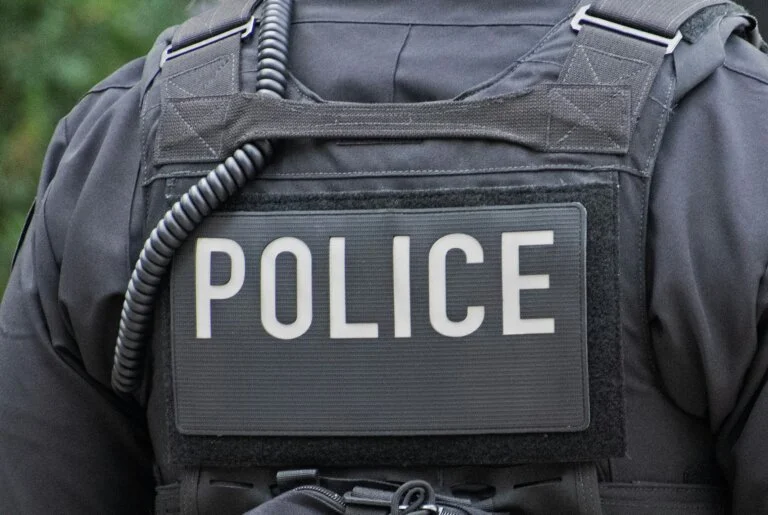
Over the past decade, the American public has become increasingly aware of police misconduct and the use of excessive force against civilians. Here in Seattle, many high-profile incidents and independent investigations have underscored the urgent need to understand—and protect—your Constitutional rights.
What Is “Excessive Force” Under the Constitution?
The U.S. Constitution guarantees everyone, regardless of age, background, or criminal history, due process and freedom from excessive or unreasonable force by law enforcement. This protection is generally rooted in two Constitutional amendments:
- The Fourth Amendment: This amendment prohibits unreasonable searches and seizures. Courts have interpreted this to include protection against excessive force during arrests, traffic stops, or other police encounters.
- The Fourteenth Amendment: This amendment applies in some post-arrest or pretrial detention situations. It offers broader protections under the due process clause.
Excessive force occurs when an officer uses more physical force than a “reasonable” officer would under similar circumstances. This doesn’t just apply to deadly force. It can also include aggressive physical restraint, inappropriate use of tasers or batons, or any force that exceeds what an officer needs to do to gain control of a situation.
How Do Courts Decide What’s “Excessive”?
The U.S. Supreme Court laid out the key legal standard in the case of Graham v. Connor (1989). The test is “objective reasonableness.” In other words, it depends on whether the officer’s use of force was reasonable from the viewpoint of a typical officer on the scene—not with the benefit of hindsight.
Courts consider several factors when evaluating these cases:
- How severe the alleged offense was
- Whether the victim posed an immediate threat
- Whether the victim was resisting or attempting to flee
It is important to speak to an attorney because these factors are not exhaustive. Courts are instructed to consider the totality of the circumstances, but these three are the core considerations identified by the Supreme Court.
The court can determine whether the police used excessive force even if the officer didn’t intend to cause harm. This means that the officer’s subjective belief is not the focus. The Court considers objective facts, meaning an attorney needs to interview witnesses, speak with investigating officers, obtain surveillance video, and obtain body worn cameras.
Armed with this evidence, the key question to consider with the assistance of a lawyer is whether the level of force was necessary and proportional to the situation. There are numerous circumstances considered by a court to see if force was necessary and proportional:
- The relationship between the need for the use of force and the amount of force used.
- The extent of the person’s injury.
- Any effort made by the officer to temper or to limit the amount of force.
- The severity of the security problem at issue.
- The threat reasonably perceived by the officer
In Seattle, courts will consider the Seattle police department’s specific use-of-force policies to determine whether they violated their own regulations.
In Seattle, courts will also consider the Seattle Police Department’s de-escalation policy. This policy requires the Seattle Police Department to consider alternatives to force.
Under this policy, officers must use tactics such as scene management, team tactics, and individual engagement to reduce the likelihood that force will be necessary. Even when individual engagement is not feasible, techniques like time, distance, and shielding should be used unless doing so would create undue risk due to the urgency or threat of the situation.
Communication: Officers are taught to use communication intended to gain voluntary compliance.
Consideration of Compliance: Officers must consider whether a person’s lack of compliance is due to deliberate resistance or a perceived physical or psychological inability to comply.
Team Approach: De-escalation can be a team effort, with each officer’s obligation satisfied if their actions contribute to the overall approach.
Force Is Not De-Escalation: The policy specifies that force, even when reasonable, necessary, and proportional, is not considered a de-escalation tactic.
Common Examples of Excessive Force
Police misconduct can take many forms. In turn, excessive force can happen in ways that may not seem obvious to the average person. Some common examples include:
- Using a taser or baton on someone who is already restrained or compliant
- Applying chokeholds or neck restraints without justification
- Striking or injuring a person who is not actively resisting
- Excessive force against minors or vulnerable individuals (e.g., those with disabilities or mental health crises)
What To Do If You’ve Been a Victim of Excessive Force
If you or someone you love has experienced excessive force, taking the right steps early on can make a difference when protecting your rights and seeking justice:
- Seek medical attention immediately, both for your health and to document any injuries.
- Document the names of officers or badge numbers and witness names and contact information
- Take photos of injuries, damaged clothing, and the scene, if possible
- Create your own written account while details are fresh
- File a formal complaint with the Seattle Office of Police Accountability (OPA) to create an official record
- Speak with an experienced civil rights attorney
You may be able to pursue a civil lawsuit under Section 1983 of the Civil Rights Act. This federal law allows people to hold government actors accountable for violating Constitutional rights.
It’s important to act quickly—some legal deadlines (known as statutes of limitations) can come up faster than expected. It’s also important to seek skilled legal representation. Police officers are often protected by qualified immunity, a legal doctrine which can make it harder to hold them personally accountable without strong legal arguments and clear evidence.
Get Help from Experienced Police Misconduct Attorneys
We should be able to trust the officers sworn to protect and serve. But when that trust is broken by excessive force, you deserve accountability. No one is above the Constitution—not even the police.
If you believe your rights were violated during a police encounter, reach out to Stritmatter Kessler Koehler Moore today for a confidential conversation about your experience and your legal options.
