
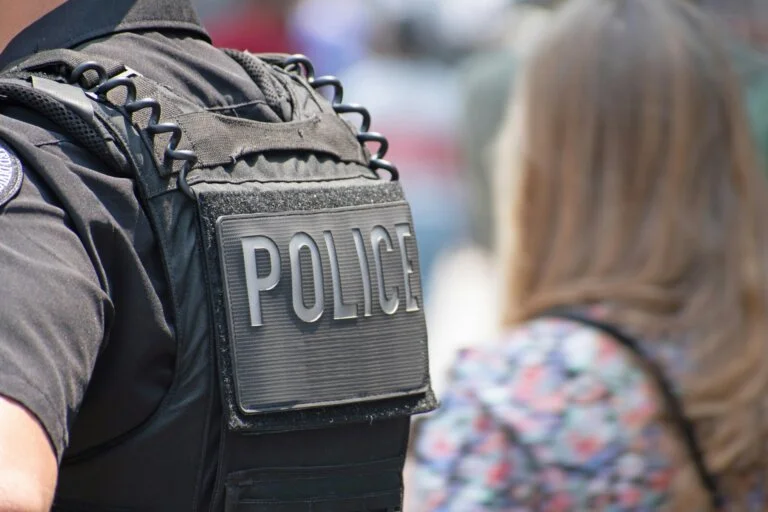
When police respond to mental health crises, situations can escalate in moments and leave long-lasting effects. People struggling with mental health conditions may be treated as dangerous instead of as individuals in need of support. Looking at these encounters through a legal lens shows where rights and protections matter most.
Why Mental Health Matters in Police Encounters
Police officers are often called upon as first responders in situations involving mental health challenges. But the training and resources they have may not be enough to de-escalate these encounters safely. Factors such as communication barriers, heightened stress, or fear responses can increase the chance of physical confrontations. These encounters can lead to injuries, wrongful arrests, or even tragic outcomes.
When mental health is not adequately considered, the consequences reach beyond the moment of arrest or detention. They can involve lasting trauma, damage to a person’s record, or loss of access to necessary treatment.
Legal Rights and Responsibilities
Everyone has constitutional protections during interactions with law enforcement. For people with mental health conditions, these protections can take on additional meaning:
- Fourth Amendment rights protect against unreasonable searches and seizures, which include excessive force during an encounter.
- ADA protections may require police departments to make reasonable accommodations when they interact with individuals who have known mental health conditions.
- Due process rights ensure that individuals are not unfairly deprived of liberty or access to medical treatment.
Understanding these rights is vital, not only for individuals and their families but also for ensuring accountability when those rights are violated.
The Role of Law Enforcement Training
In Washington State, there have been increasing calls for better mental health training for officers. Crisis intervention training and partnerships with mental health professionals can improve outcomes, but progress is uneven. While some departments have invested in crisis response teams, others rely on traditional policing methods that may not be appropriate in sensitive situations.
When an officer’s lack of training leads to injury or wrongful arrest, there may be grounds for legal action. Courts can examine whether a department failed to provide proper preparation or ignored established protocols.
Civil Claims After Harm
If someone is harmed during a police encounter, legal remedies may include civil claims against the officer, the department, or the municipality. These cases can involve allegations of excessive force, wrongful arrest, or violations of disability rights under federal and state law.
Such claims are not just about financial recovery. They also shine a light on systemic issues and help push for reform in how law enforcement interacts with individuals facing mental health challenges.
How Families Can Respond
If your loved one has been harmed during a police encounter, documenting what happened is important. Key steps include:
- Gathering witness statements and video evidence, if available
- Securing medical records that reflect injuries or treatment interruptions
- Consulting with an attorney who understands both civil rights law and the nuances of mental health cases
Legal representation can provide both guidance and advocacy, ensuring that families are not left to confront powerful institutions on their own.
Moving Toward Safer Encounters
The intersection of mental health and policing is not an abstract issue. It affects real people and families across Seattle and throughout the state of Washington. Holding law enforcement accountable for missteps while advocating for stronger mental health resources is part of the path forward.
At Stritmatter Law, we are committed to helping individuals and families who have suffered harm during encounters with police. If you or someone you love has experienced such an incident, contact us. We will stand with you to protect your rights and pursue meaningful recovery.
FAQ: Mental Health and Police Encounters
What rights do I have if I’m detained during a mental health crisis?
You still have constitutional protections, including the right to be free from excessive force and the right to reasonable accommodations under the ADA if law enforcement knows about your condition.
Can I sue if police use excessive force on someone with a mental health condition?
Yes, civil claims can be filed against officers, departments, or municipalities when excessive force or violations of disability rights occur.
What should families do after a harmful police encounter?
Document everything, including witness accounts and medical records, and consult an attorney as soon as possible to evaluate legal options.
