

Partner
Most people have heard the phrase “don’t destroy evidence.” But what happens when a person, company, or government agency destroys evidence that could have helped prove your case?
This is called “spoliation.” Courts take spoliation seriously, and depending on the circumstances, the legal consequences for the party that destroyed the evidence can be significant.
What Is Spoliation?
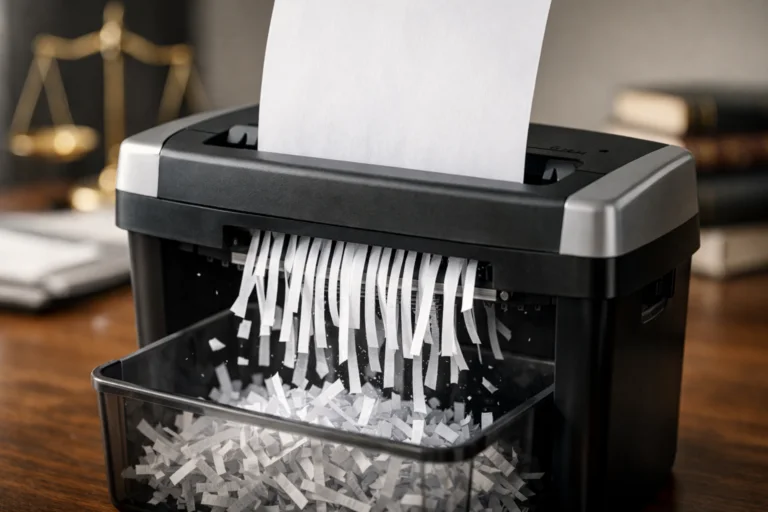
Spoliation means the wrongful destruction of evidence — especially evidence that might hurt the party who destroyed it if it were used in a lawsuit. For example, text messages saying “The crash was my fault!” Or company memos saying “Our product has a flaw that is hurting people.”
But not all destruction of evidence is “wrongful.” A party must have a legal duty to preserve the evidence. That could happen when a lawsuit has been filed — because the lawsuit puts parties on notice that a legal dispute exists where the evidence could be relevant. But it can also happen before a lawsuit is filed, such as if there is:
- A direct request made to save the evidence (commonly referred to as a “preservation request”), or
- Laws, contractual requirements, or other business obligations to preserve and maintain certain records.
What Can Courts Do When Evidence Is Destroyed?
When a party has wrongfully destroyed evidence, they can face a range of consequences depending on two things: (1) How important was the lost evidence? And (2) How blameworthy was the party who destroyed it?
When deciding how important the evidence was (or could have been), courts look at factors like:
- Could the evidence have shown what actually happened?
- Was it unique, or could the same information be found elsewhere?
- Did the loss make it harder to develop expert opinions or identify witnesses?
- Did it give the party who destroyed it an unfair advantage?
When deciding how blameworthy the destruction was, courts consider whether the destruction had merely an innocent or even careless explanation, vs. whether it appears willful, intentional, and indicating an improper motive or bad faith.
The more important the evidence was (or could have been), and the more blameworthy its destruction, the more likely a court will punish it – especially with two of the most powerful punishments: (1) an instruction that the jury may draw an “adverse inference,” meaning they may assume that the destroyed evidence was unfavorable to the party that destroyed it, or (2) a “default,” meaning a finding of legal liability without the need to have a jury decide the issue.
If you think you may have a legal claim against a person or company, the best way to protect against evidence disappearing is to act quickly. Talk to a lawyer about your case so they can help protect your rights.
Image created using artificial intelligence for illustrative purposes.