

Senior Managing Partner
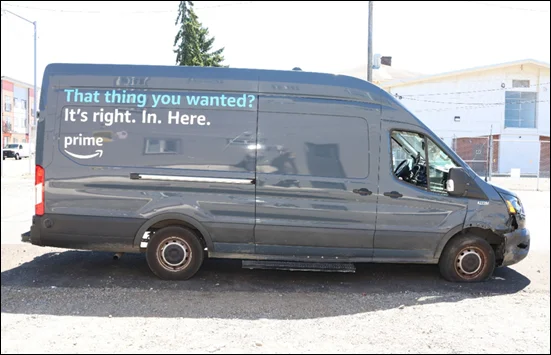
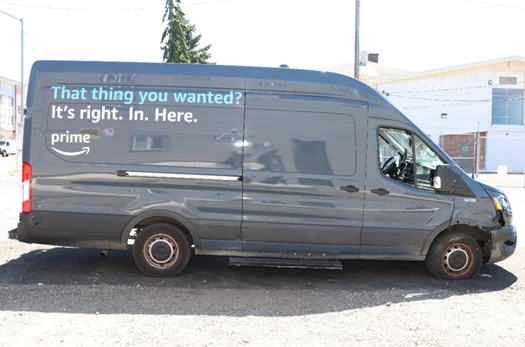
Quiz Scenario: You are driving properly down a neighborhood street. Suddenly, an Amazon delivery van runs a stop sign and crashes into you. You suffer a severe brain injury and internal injuries. You undergo several surgeries and spend three weeks in the hospital. You are permanently injured. The delivery driver’s company says it has $1 million in insurance coverage and no more. Your medical bills are $800,000, you have a lifetime of care needs and are no longer employable. Do you a) accept the policy limits of $1M and take the loss; b) sue the driver, their delivery company, and Amazon?
The question is one of vicarious liability. Is Amazon liable for the acts of the delivery company it contracts to deliver packages?
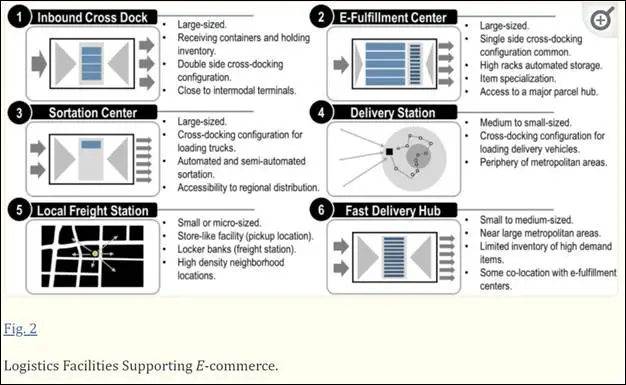
The general role and function of e-commerce freight distribution is as follows[1]:
Amazon estimates that it makes more deliveries in the United States than any other company. “Delivery” refers to the specific process of transporting a package from a fulfillment center to a customer’s chosen address. Amazon both fulfills and delivers products purchased on its online superstore. Two of the most common methods that Amazon uses to deliver products is through Delivery Service Providers (DSPs) and its Flex program.
According to an investigation by Pro Publica published Jointly with the New York Times in September 2019, Amazon requires that 999 out of 1,000 deliveries arrive on time. In a four-year time span, Amazon Delivery Service Providers were involved in at least 60 crashes. This included ten deaths – five of which involved Amazon drivers making left hand turns.[2]
Amazon/Amazon Logistics attempts to categorize DSPs and Flex drivers as “independent contractors” to limit liability. But this firm successfully fights Amazon on these issues.
[1] The distribution network of Amazon and the footprint of freight digitalization – PMC (nih.gov)
[2] How Amazon Hooked America on Fast Delivery While Avoiding Responsibility for Crashes (propublica.org)