

Partner
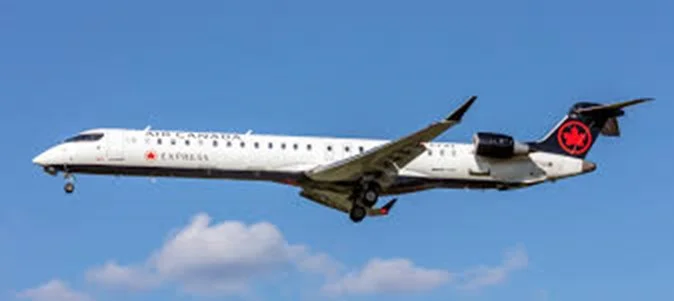
Air Canada Express regional jet operated by Jazz Aviation as Flight 8646 crashed into a Port Authority fire truck crossing the runway at LaGuardia Airport in New York City on Sunday, March 22, 2026 while landing. The aircraft was a Bombardier CRJ 900. It was an international flight, having taken off from Montreal, Quebec. This crash killed the pilots, ejected a flight attendant and sent majority of the passengers to the hospital with injuries.
Investigation of Flight 8646 vs. Statutes of Limitation
Air crash cases can be factually and legally complicated. Sometimes a single failure is enough to cause the crash; other times a series of failures does it. It can take a while to sort out what happened.
Questions of what caused the crash, as well as when and where victims should seek compensation for their injuries or the deaths of loved ones can’t always be easily answered. Laws protect NTSB investigators and those they are investigating from being questioned until the NTSB publicizes the information, sometimes not until the final report is issued.
But laws restricting the time to make claims (statutes of limitation and laws requiring administrative claims to be made) can require action to be taken quickly, even before the investigators reach their final opinions. So sometimes, claims and lawsuits must be started based on the information available before those investigations are complete.
In this case, the time for passengers, surviving crew and pilot estates to file claims against the New York Port Authority is limited to 1 year after the crash. An administrative claim must be filed 60 days before suit is started. The deadline to file claims and lawsuits against other potentially responsible parties may be different. However, acting within the shortest period prevents injured claimants from losing the right to seek compensation from a potentially responsible party.
Who Is Responsible for the Air Canada Express Flight 8646 Crash at LaGuardia?
You may have heard that the NTSB investigates and determines the causes of airplane crashes. But the NTSB’s opinions are not admissible in court. Who is to blame to compensate the crash victims is an issue for trial based on the evidence.
The Airline May Be Liable for the Flight 8646 Crash
The airline may be required to compensate passengers according to international law under a treaty known as the “Montreal Convention”. It requires airlines to pay each victim who can prove a death or bodily injury 128,821 so-called “Special Drawing Rights”, currently worth about $183,000. Pure emotional injuries are not compensated, however. Additional amounts can be paid for delay and/or baggage claims. Airlines must pay at least those amounts whether or not the airline is at fault. Higher compensation may be available if the airline is found to be at fault for the crash.
Even when the airline pays, that sum is often not at all sufficient to compensate the injured and survivors of persons killed. Thus, it may be important to seek compensation from all who caused the crash.
Port Authority and FAA May Be Liable for the Flight 8646 Crash
The Port Authority and the Federal Aviation Administration appear to be two most likely parties who may be held accountable for causing the collision. Whether a defect in the Bombardier CRJ-900 airliner may have contributed to the incident is unknown at this time.
The fire truck was responding to a United Airlines aircraft reporting odors in the cabin. Was the Port Authority negligent in tracking the fire truck’s location and/or not requiring the truck to carry an electronic beacon called a “transponder” that would alert controllers to its location, and or failed to communicate effectively with the truck? Did the airport surface surveillance system fail? Were the firefighters aware of the landing aircraft? Could they have seen it before crossing the runway? Did they hear the air traffic controller’s sudden instructions to “Stop Stop Stop”? If so, did they have time to stop before the crash? And of course, why did the FAA air traffic controllers fail to prevent the crash? Could the pilots have avoided it? These remain open questions.
Although details are emerging, and the NTSB may issue a preliminary report within 30 days, the NTSB is not likely to conclude its investigation within that time, which be as much as two years.
Get Good Legal Advice at the Right Time for Airplane Crash Cases
Healing is the most important priority. Federal law recognizes this and so bars attorneys from initiating unsolicited contact with injured victims for 45 days after the crash. Be very wary of a lawyer who breaks that law. But that law also recognizes that some people want to get a lawyer’s perspective sooner, and so allows those people to initiate contact with a lawyer.
Because the limitations period is short, getting initial legal advice soon, and certainly within the next two to three months, is important. Attentive and experienced lawyers such as those in our firm will follow that process closely, can help those with claims prepare to make them as soon as reasonably possible, and can diligently navigate the complex world of air crash litigation to a just outcome.