

Senior Partner
Choosing a nursing home, assisted living facility, or memory care facility for a loved one is one of the most important decisions a family will ever make. Marketing brochures often promise safety, attentive care, and individualized treatment. But our experience suing nursing homes highlights a concerning reality: What a facility promises and what it delivers can be very different.
Nursing homes, assisted living facilities, and memory care facilities, operate under specific standards, including federal and state laws and regulations. For an overview of these standards, Washington’s Department of Social and Health Services (DSHS) maintains a handbook called the Purple Book that outlines guidelines and references for adult care facilities in Washington. But just because these facilities must operate under the law does not mean they do. And that is a scary thought when your family member is vulnerable and you are trying to figure out a safe future for them.
That said, families can work to identify nursing home red flags by asking thoughtful questions before admission. Here are some of the most important questions to ask—and why they matter.
1. How Are New Residents Evaluated and When?
The first few days after admission are often when residents are most vulnerable. Their condition may be acute, and they are in an unfamiliar place cared for by unfamiliar people. Federal regulations mandate that all skilled nursing home residents have certain rights and that the facility must establish and implement an admissions policy that evaluates whether the facility can care for the individualized needs to each resident. The regulations require facilities to “ensure residents receive treatment and care in accordance with professional standards of practice, the comprehensive person-centered care plan, and the resident’s choices.”
Ask:
- What assessments occur during the admission process? How are they documented and when?
- How quickly is an individualized care plan developed?
- How are family concerns incorporated into the plan?
A facility should be able to walk you through this process step-by-step.
2. How Do You Prevent Falls?
Falls remain one of the leading causes of serious injury in nursing homes and rehabilitation facilities. The nursing home should do a fall risk assessment right when the resident is admitted—because someone who is a fall risk is a fall risk from the moment they enter the facility. Many falls occur in the first 72 hours after admission, when the resident is often disoriented in a new location and staff is not familiar with them.
Ask:
- How and when are residents assessed for fall risk?
- What types of fall risk precautions and available at this facility?
- What supervision is provided during the first 24–72 hours after admission?
A quality facility should be able to explain its fall-prevention program in concrete terms, not simply assure you that residents are “monitored.”
3. How Do You Protect Residents Who Have Dementia or Memory Impairment?
For families considering memory care, this question is critical.
Ask:
- What systems are in place to prevent wandering or elopement?
- Are exterior doors alarmed?
- How are residents monitored in outdoor areas?
- How quickly can staff respond if a resident leaves a secure area?
Inconsistent use and misuse of the term “memory care” led the legislature to pass specific laws geared toward defining and regulating memory care facilities. As of July 1, 2026, “memory care” facilities must be certified and meet specific standards. Don’t accept general assurances that a facility specializes in memory care. Ask for specifics.
4. What Is Your Staffing Level on Nights and Weekends?
Many serious incidents occur during evenings, overnight shifts, and weekends when staffing levels may be reduced. Washington law requires certain minimum staffing standards for nursing homes. Federal law also issues Minimum Staffing Standards for Long-Term Care Facilities. Sometimes, though, these minimum staffing requirements are met overall, but not on a night shift, for example.
Ask:
- What is your nurse-to-resident ratio during day, evening, and night shifts?
- How do you ensure you have adequate staffing to take care of my family member’s specific needs?
- What turnover do you have with your care staff?
Federal regulators recognize the connection between staffing levels and resident outcomes. CMS materials note evidence linking nursing-home staffing levels and turnover to quality of care.
If a facility hesitates to discuss staffing, consider that a warning sign.
5. What Training Do Staff Receive?
A beautiful building does not guarantee competent care. How often and how comprehensively staff are trained directly impacts the care residents at a facility receive.
Ask:
- How often do staff receive dementia-care training?
- What continuing education is required?
- How are new employees supervised?
- What specialized training do caregivers receive for residents with behavioral or cognitive challenges? What about residents who are fall risks?
The answers will tell you a great deal about the organization’s culture.
6. How Do You Investigate and Report Incidents?
No facility is perfect. What also matters is how it responds when something goes wrong.
Ask:
- What happens after a resident fall? What incidents are reported, and to whom?
- Who conducts investigations? Who reviews them?
- Are root-cause analyses performed?
- How are corrective actions implemented?
A facility should have a clear process for identifying problems and reducing the risk of recurrence.
7. Have You Been Cited for Abuse, Neglect, or Serious Safety Violations?
This may feel like an uncomfortable question, but it is one families should ask directly.
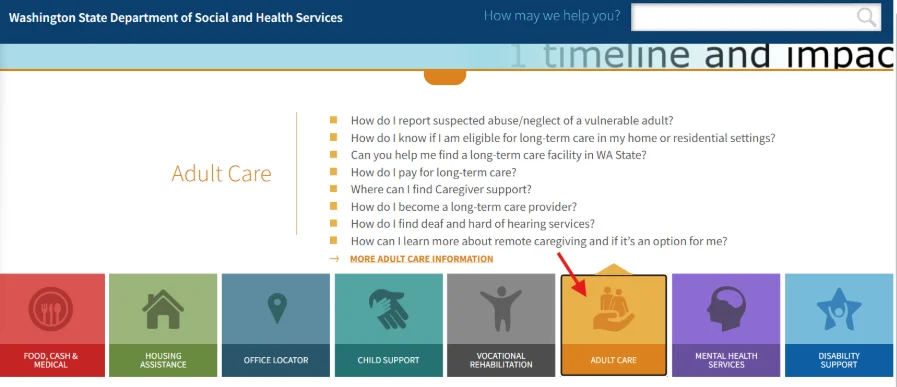
The Center for Medicare Services (CMS) and DSHS monitor and investigate nursing-home deficiencies involving abuse and neglect as significant quality concerns and even flag facilities with certain abuse-related citations. DSHS keeps a public list of recent inspection reports for nursing homes, assisted living facilities, and adult family homes.
Ask:
- Can I see your latest facility assessment and state survey?
- How many state survey deficiencies have you received in the last three years?
- Have any involved abuse, neglect, supervision failures, or resident safety?
- What corrective action was taken?
You can also independently review public inspection reports through Medicare’s Care Compare system.
8. What Are Your Policies Regarding Resident Rights and Family Access?
CMS publishes Resident Rights and Protections. Federal regulations emphasize resident rights and require each resident to be treated with respect and dignity in an environment that promotes safety and quality of life.
Ask:
- Does your facility have a Resident Rights policy? Can I see it?
- Are families encouraged to visit?
- Are there restrictions on visitation?
- How do you handle concerns raised by residents and family members?
Facilities that welcome family involvement tend to be more transparent and accountable.
9. What Insurance Do You Carry?
While no one takes a loved one to a nursing home thinking about a legal claim, whether the facility carries appropriate insurance tells you something about the company. Washington requires nursing homes and assisted living facilities to carry minimum insurance of $1 million. A nursing home or assisted living facility that does not have at least this much insurance is violating the law. A reputable facility often carries more than the minimum insurance required by law.
Final Thoughts
Families cannot eliminate every risk by asking good questions. Nor is it your responsibility to do so. But by asking detailed questions about staffing, fall prevention, dementia safety, training, communication, and accountability, you can make a more informed decision about the next steps for your loved one.
The best nursing-home tour isn’t the one where everything looks perfect—it’s the one where administrators can confidently answer important questions about the care they provide.