

Senior Partner
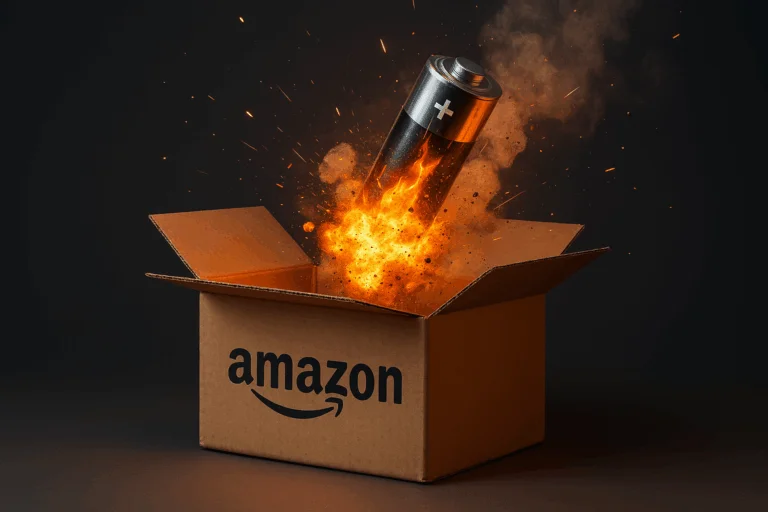
Stritmatter Law has filed two separate product‑liability lawsuits against Amazon arising from catastrophic burn injuries caused by lithium‑ion and lithium‑polymer batteries. These cases illustrate the increasingly urgent safety risks associated with modern rechargeable battery technology and the legal responsibilities of online retail giants who profit from selling hazardous goods.
The Dangers of Lithium‑Ion Batteries
Lithium‑ion batteries are ubiquitous because they store large amounts of energy in a compact size—but that same energy density creates serious hazards. According to safety authorities:
- Thermal Runaway
- When damaged, overcharged, defective, or exposed to heat, lithium‑ion cells can enter a self‑accelerating chemical reaction that causes fire or explosion.
- When damaged, overcharged, defective, or exposed to heat, lithium‑ion cells can enter a self‑accelerating chemical reaction that causes fire or explosion.
- Flammable Electrolytes and Gas Venting
- These batteries contain volatile organic electrolytes which can release flammable gases if the internal separator fails.
- These batteries contain volatile organic electrolytes which can release flammable gases if the internal separator fails.
- Risk of Re‑Ignition
- Even after extinguishing a lithium‑ion battery fire, cells may re‑ignite minutes or hours later, posing a continuing hazard.
Lithium‑Polymer Battery Risks: Similar Dangers, Different Construction
Lithium‑polymer (“LiPo”) batteries share many of the same hazards as lithium‑ion cells:
- LiPo batteries use a gel‑like or solid polymer electrolyte, allowing for flexible shapes but less structural protection than rigid‑cased lithium‑ion batteries.
- They remain vulnerable to thermal runaway, physical puncture, manufacturing defects, and overheating—any of which can trigger ignition.
- Hazardous byproducts include toxic gases, flying debris, and sustained burning of the electrolyte.
The U.S. market has also seen numerous lithium‑polymer battery recalls for fire hazards involving electronics, outdoor gear, and heated clothing.
Recalls and Systemic Problems
Millions of products have been recalled due to fire safety hazards—often based on potentially catastrophic events like fires aboard aircraft or in apartment complexes. These hazards are systemic—not rare accidents—and they reveal the foreseeable dangers associated with Amazon’s sale of unregulated or poorly manufactured batteries from overseas producers.
Why Amazon Is Legally Responsible
Both lawsuits filed by Stritmatter Law allege that Amazon is not a passive marketplace but an active retailer, distributor, and product controller because:
- It stores, packages, and ships the products through its FBA program.
- It controls product listings, pricing, search results, and safety messaging.
- The U.S. Consumer Product Safety Commission has determined Amazon is a “product distributor” under federal law, with legal recall obligations.
- Amazon markets itself as ensuring product safety, compliance, and consumer trust, yet continues to sell items with well‑documented fire risks.
When companies profit from selling dangerous devices, they must also bear the corresponding legal responsibilities—especially where defective batteries can permanently injure unsuspecting consumers.
Stritmatter Law is committed to holding Amazon and all responsible parties accountable for allowing hazardous products into American homes, public spaces, and workplaces.
If You Have Been Injured by a Battery Fire
Battery fires happen suddenly and violently, often causing severe burns, scarring, and psychological trauma. If you or a loved one has been harmed by a lithium‑ion or lithium‑polymer battery in a device purchased on Amazon or elsewhere, Stritmatter Law can help.